

Nicknamed the “Gepetto of Prosthetic Limbs,” James Gillingham (1839–1924) was a British boot and shoemaker at his Golden Shoe shop until 1863 when he began making artificial limbs made from leather and molded like a pair of shoes.
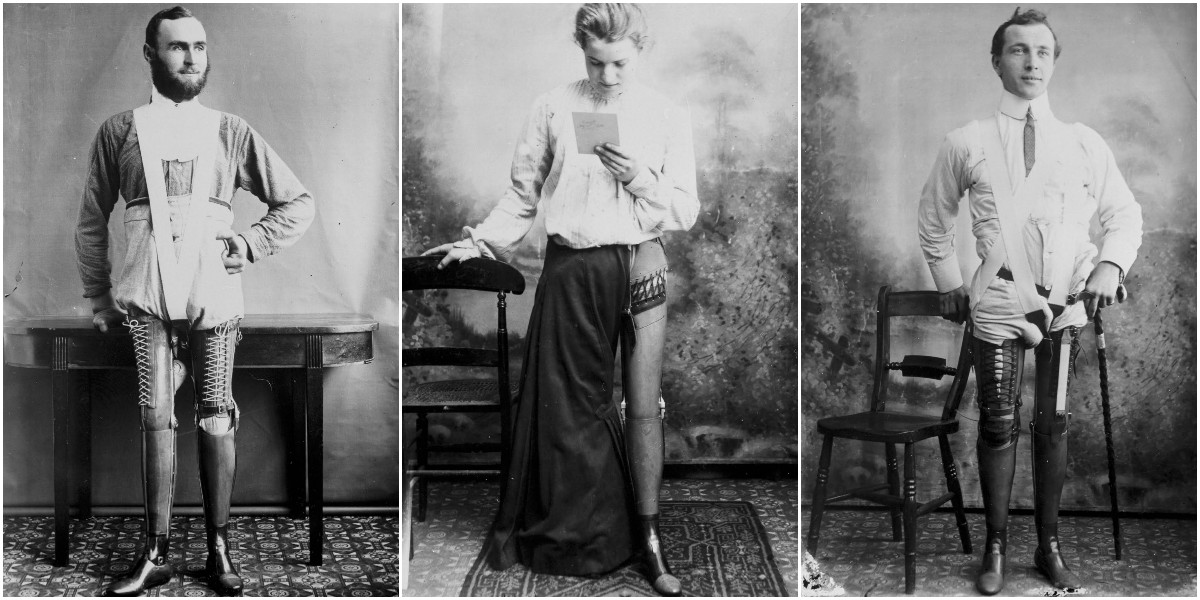
His first prosthetic limb was for William Singleton, a local man who lost an arm firing a cannon for a celebratory salute, which Gillingham made at no cost to Singleton. He then made prostheses on a permanent basis. Chard, as a result, became a major centre of the British artificial limb industry.
“I soon became popular. As the claims on my time in this direction increased, I gave up my original business and threw my whole energy into the new sphere of usefulness. I had to get a plant, forge, lathes and tools and learn how to use them. I soon began to work in metal, wood and plaster, leather and fabrics. I had to sink my earnings for years to establish myself.” – James Gillingham
By 1910, he had restored mobility and function to over 15,000 patients. He photographed many of his patients, and published the photos in medical journals to advise surgeons on the best amputation methods. Gillingham died in 1924, but his family continued his business for decades before finally closing in the 1960s.

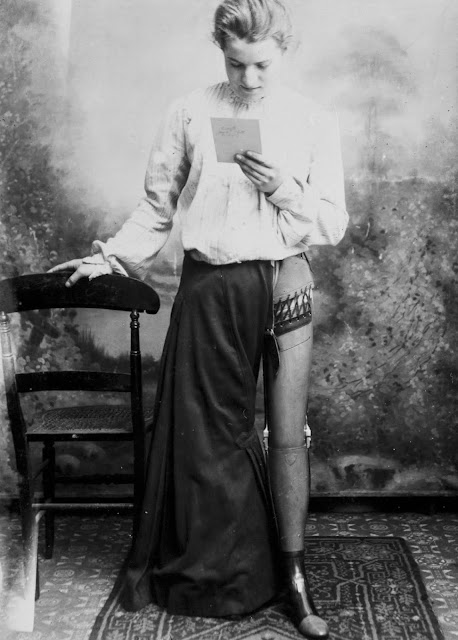
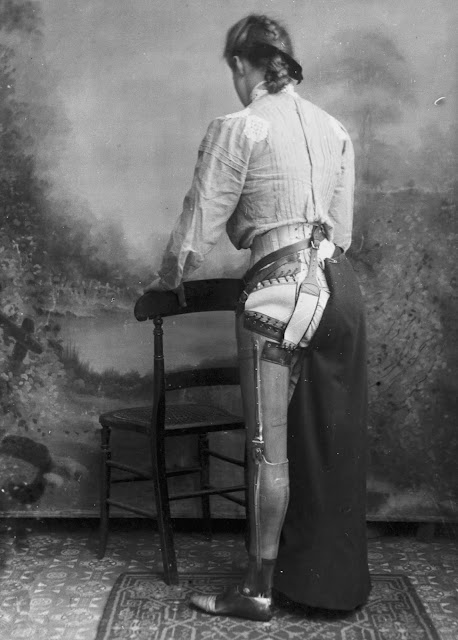
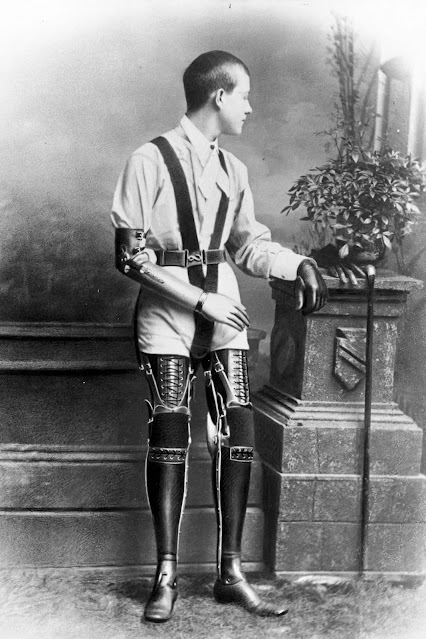
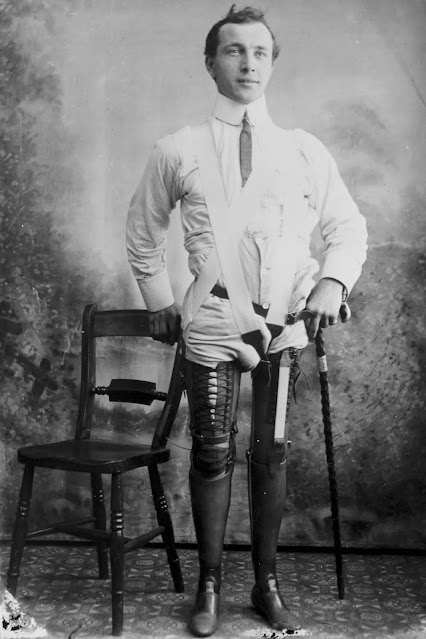
Here, a series of remarkable black and white images photographed by Gillingham himself show just how detailed each perfectly fitted each prosthetic was.


Leave a Reply