
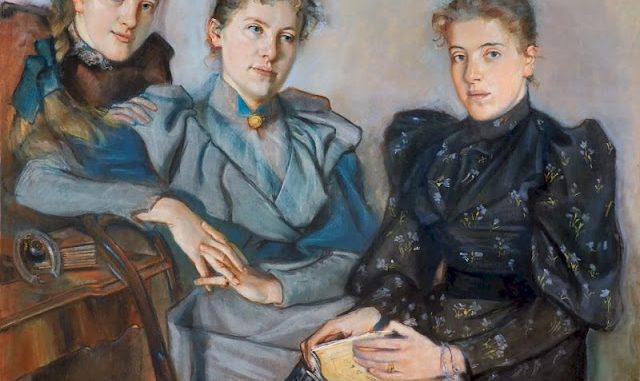
Stanisław Wyspiański (1869–1907) was a renowned Polish playwright, poet, painter, and designer, often considered one of the most important figures in Polish art and culture at the turn of the 20th century. He was a central figure of the Young Poland movement, which was a modernist artistic and literary movement that sought to break away from the constraints of the past.
Wyspiański’s artistic output was vast and varied, including paintings, drawings, and theater works. As a playwright, he is best known for his symbolic and expressive plays that often explored themes of Polish national identity, history, and the role of art in society. Some of his most notable plays include Wesele (The Wedding), Wyzwolenie (Liberation), Achilles, Bolesław Śmiały (Boleslaus The Bold) and Legenda II (Legend 2).
In painting, Wyspiański was known for his strong use of color, innovative composition, and his exploration of symbolism and modernist ideas. His work often incorporated elements of Polish folk art and medieval iconography. He is also noted for his contributions to the design of stained glass, including a series of windows for the Wawel Cathedral in Kraków, which remain a significant part of his legacy.
Wyspiański’s health was fragile, and he died young, at the age of 37, but his impact on Polish culture and the arts has been profound. His works continue to be celebrated today for their emotional depth, intellectual rigor, and their reflection of Poland’s national spirit during a time of political turmoil.
Here is a selection of stunning portrait paintings by Stanisław Wyspiański, created in the late 19th and early 20th centuries.
 |
| Portrait of the Three Bobrówna Young Ladies |
 |
| Boy with a Flower |
 |
| Boy with Guns |
 |
| Cracovian Girl |
 |
| Double Portrait of Eliza Parenska |
Leave a Reply