

Dur-Sharrukin (“Fortress of Sargon”), present day Khorsabad, was the Assyrian capital in the time of Sargon II of Assyria.The great city was entirely built in the decade preceding 706 BC. After the unexpected death of Sargon in battle, the capital was shifted 20 km south to Nineveh.
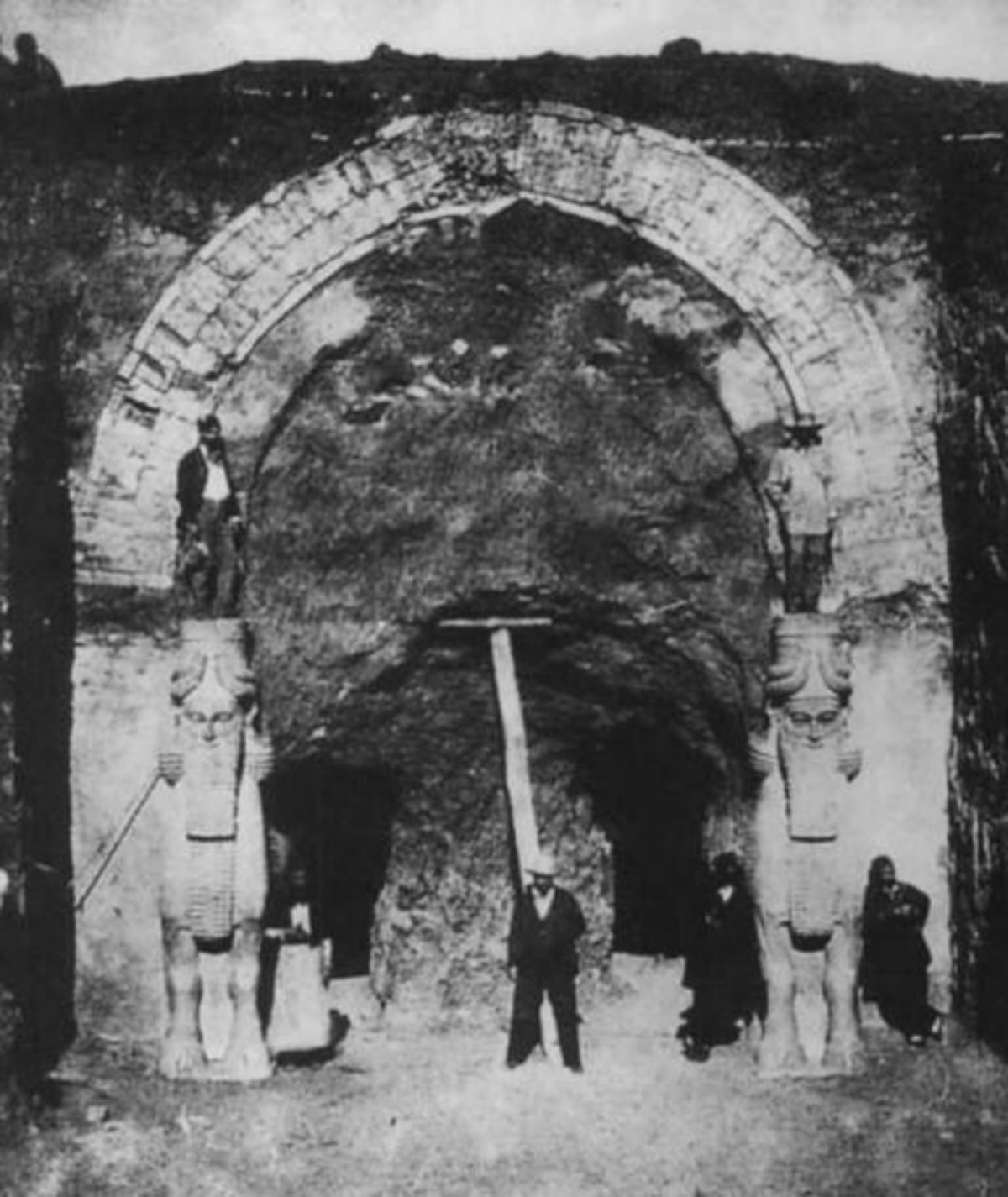
While Dur-Sharrukin was abandoned in antiquity and thus did not attract the same level of attention as other ancient Assyrian sites, there was some awareness of the origins of the mound well before European excavation. Once the European presence in northern Iraq became more substantial in the mid-nineteenth century, archaeological exploration of the site of Dur-Sharrukin was neglected in favor of seemingly more promising sites such as Nineveh or Nimrud. This situation changed in April 1843, when the French Consul General at Mosul, Paul-Émile Botta, who had been excavating at Kuyunjik without success, was approached by a resident of the village of Khorsabad.


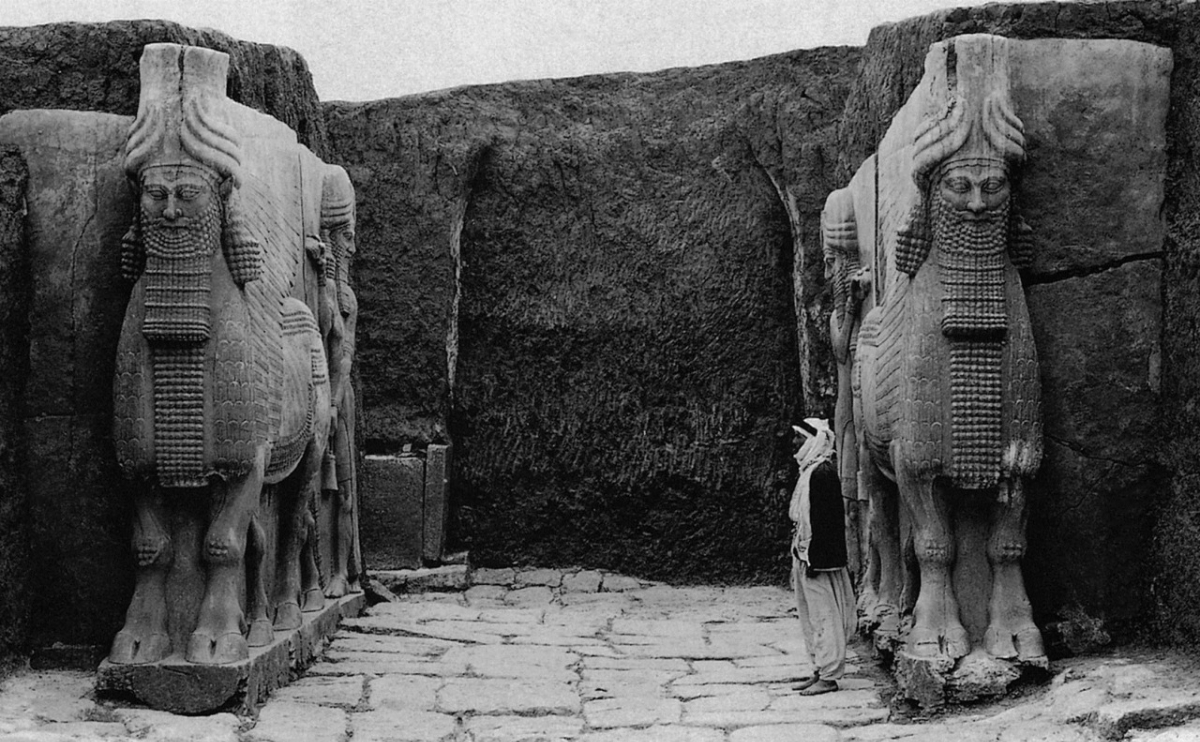
The lamassu in museums today (including the Louvre, as well the British Museum, The Metropolitan Museum of Art, and National Museum of Iraq in Baghdad, and others) came from various ancient Assyrian sites located in modern-day Iraq. They were moved to their current institutional homes by archaeologists who excavated these sites in the mid-19th century. However, many ancient Assyrian cities and palaces—and their gates, with intact lamassu figures and other sculptures—remain as important archaeological sites in their original locations in Iraq.



Leave a Reply