This
post was originally published on
this site
At the end of the war, there were some eight million foreign displaced persons in Germany; mainly forced laborers and prisoners; including around 400,000 from the concentration camp system, survivors from a much larger number who had died from starvation, harsh conditions, murder, or being worked to death.
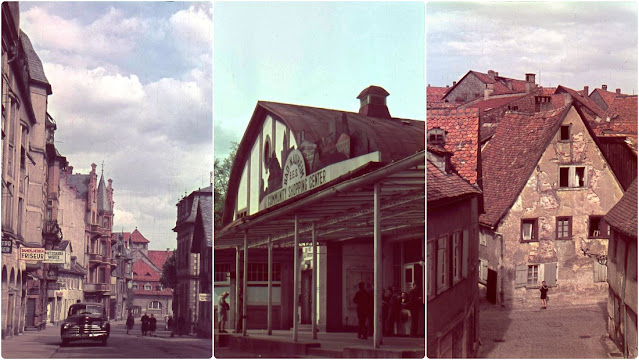 |
| Germany in 1946-47 |
12-14 million German-speaking refugees and expellees arrived in western and central Germany from the eastern provinces and other countries in Central and Eastern Europe between 1944 and 1950; an estimated 2 million of them died on the way there.
Some 9 million Germans were POWs, many of whom were kept as forced laborers for several years to provide restitution to the countries Germany had devastated in the war, and some industrial equipment was removed as reparations.
After Nazi Germany surrendered, the Allies partitioned Berlin and Germany’s remaining territory into four occupation zones. The western sectors, controlled by France, the United Kingdom, and the United States, were merged on 23 May 1949 to form the Federal Republic of Germany; on 7 October 1949, the Soviet Zone became the German Democratic Republic. They were informally known as West Germany and East Germany. East Germany selected East Berlin as its capital, while West Germany chose Bonn as a provisional capital, to emphasise its stance that the two-state solution was temporary.
These fascinating photos from
Ann Longmore-Etheridge were taken by her father, James Arthur Longmore, that show street scenes of Germany in 1946 and 1947 when he spent his late teens in Germany and France as a U.S. Army photographer.
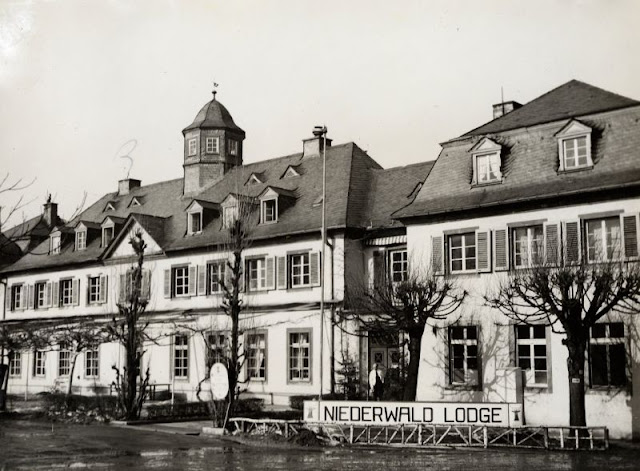 |
| Germany. Niederwald Lodge, a rest hotel for allied troops, 1946 |
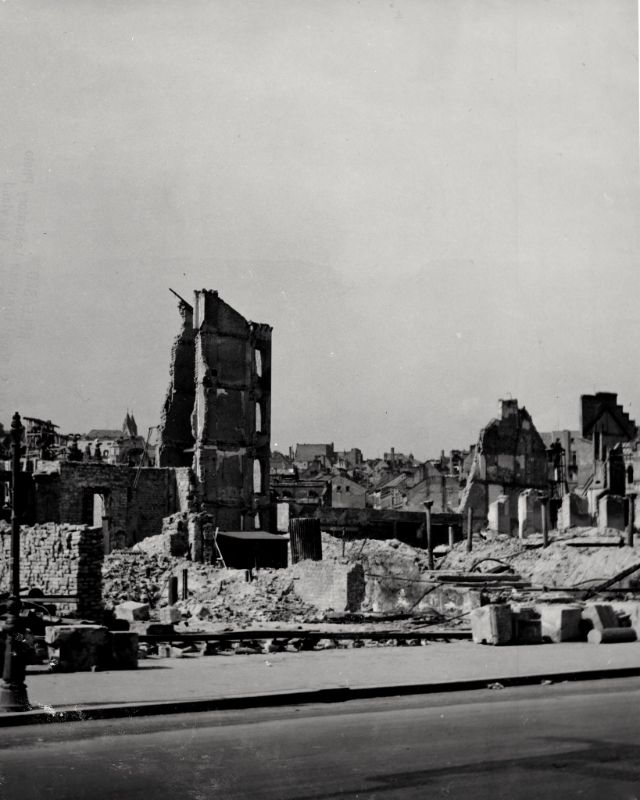 |
| Germany. Ruins of Frankfurt, 1946 |
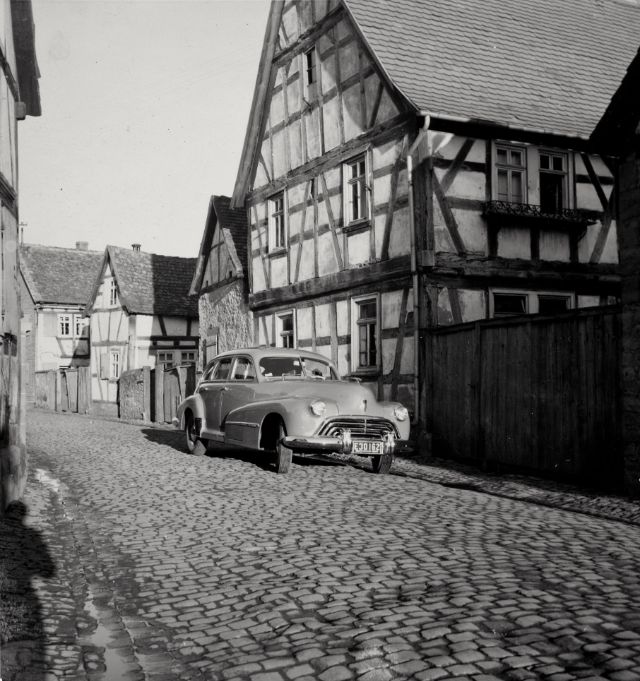 |
| Germany in 1946 |
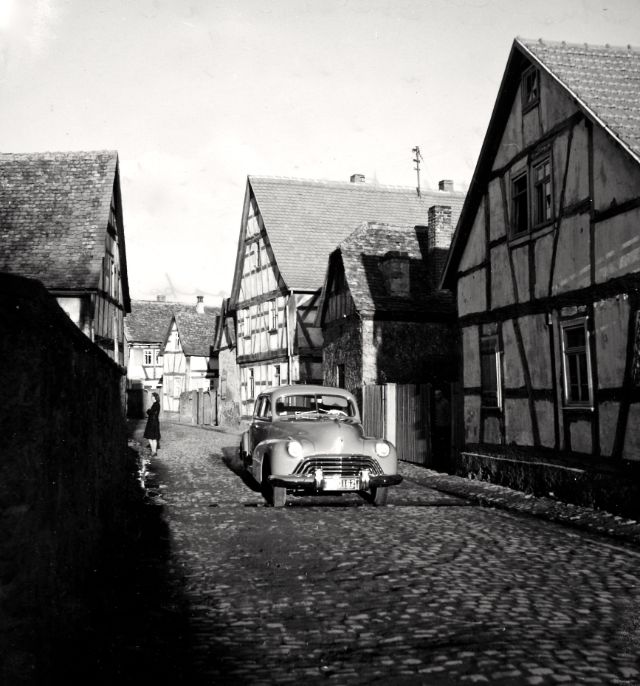 |
| Germany in 1946 |
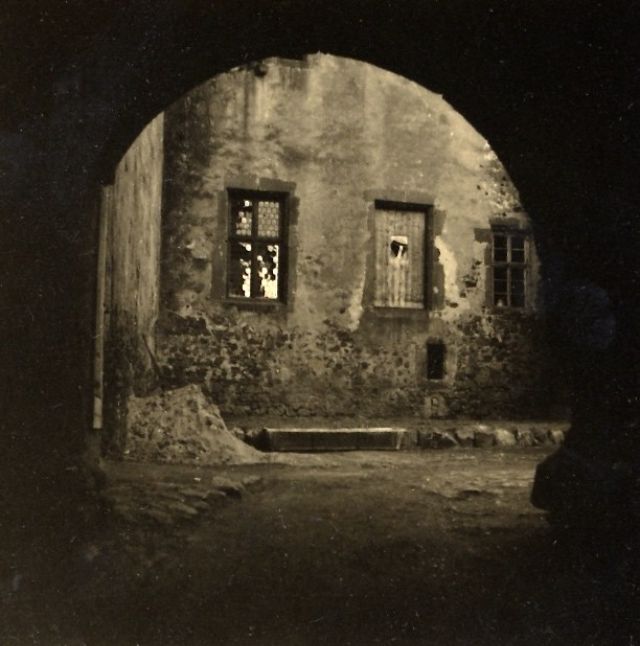 |
| Germany in 1946 |
See more »

Leave a Reply