
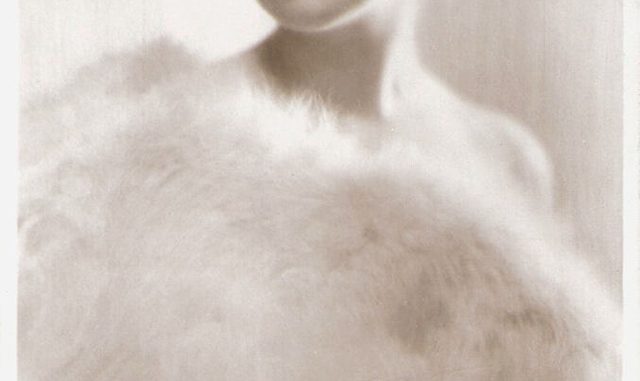
Lotte Neumann (born Charlotte Pötler, August 5, 1896 – February 26, 1977) was a prominent German silent film actress, screenwriter, and film producer who stood as one of the most successful female pioneers in the early days of German cinema.
Born in Berlin, Neumann originally trained in music and performance. She completed vocal, piano, and dance lessons and joined the choir at the Komische Oper Berlin as a teenager. Although she initially envisioned a stage and vocal career, director Max Mack persuaded her to transition to film. She made her screen debut in the short film Whims of Fate (Launen des Schicksals, 1912) and quickly established herself as a popular star of silent romantic comedies and dramas.
By the mid-1910s, Neumann was one of Germany’s leading film stars. Her popularity led studios to release a designated “Lotte Neumann” film serial in 1917. Taking control of her artistic output, she founded her own production company, Lotte-Neumann-Film-GmbH, in 1916. Through her company, she produced and starred in several films, including Die Richterin (1917) and Schatten der Vergangenheit (1919), making her one of the rare female film producers of the silent era.
Following the dissolution of her independent company in 1919, Neumann signed with UFA, Germany’s dominant film studio. Throughout the 1920s, she maintained high demand across European cinema. She starred in Ernst Lubitsch’s comedy Romeo and Juliet in the Snow (Romeo und Julia im Schnee, 1920). Other major successes included The Brigantine of New York (1924) and A Woman for 24 Hours (1925). She took on contracts in Austria, Italy, France, and Prague, making her an international screen favorite.
With the arrival of sound cinema in the late 1920s and early 1930s, alongside a lengthy, publicized divorce proceeding between 1929 and 1932, Neumann stepped away from acting. Her final onscreen appearance was in Die Liebesfiliale (1931).
She subsequently reinvented herself as a full-time screenwriter. She began writing under the pen name C.H. Diller (using her mother’s maiden name). In 1935, she married director and screenwriter Walter Wassermann, with whom she co-wrote numerous popular screenplays until his death in 1944. Neumann is credited with writing or co-writing around 25 feature films, including The Beggar Student (1936), Sergeant Berry (1938), and Kora Terry (1940). She authored her final screenplay, One Should Be Twenty Again (Man müßte nochmal zwanzig sein), in 1958.
Following World War II, Neumann retired to Bavaria. She lived out her remaining years quietly in Gmund am Tegernsee and Gaißach, where she passed away on February 26, 1977, at the age of 80. Today, she is remembered as a pioneering multi-hyphenate artist who successfully navigated acting, studio production, and screenwriting through key eras of German cinema history.


Leave a Reply