This
post was originally published on
this site
The first architecture exhibitions in the Netherlands were held from about the middle of the 19th century, a result of the growing professionalization of architecture. The driving forces behind this were the architectural society ‘Maatschappij tot Bevordering der Bouwkunst (Society for the Promotion of Architecture) and the ‘Genootschap Architectura et Amicitia’ (The Architectura et Amicitia Society). They soon discovered the propagandistic and educational value of exhibitions. The emergence of large-scale, international exhibitions towards the end of the 19th century led to a demand for a centrally headed ‘representative Dutch delegation’.
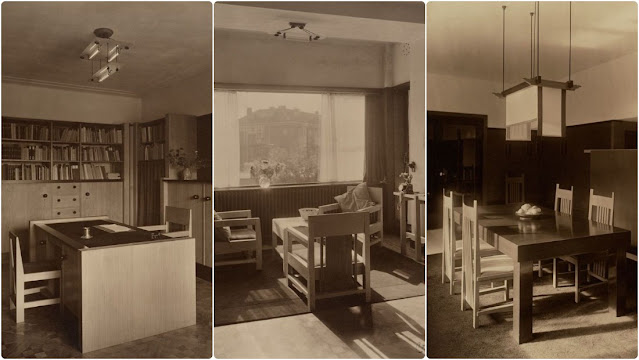 |
| Interior design of Dutch houses in the 1920s and 1930s |
To meet this demand, the ‘Tentoonstellingsraad voor Bouwkunst en verwante kunsten’ (The Exhibition Council for Architecture and Related Arts) was set up around 1920, with the aim of organizing exhibitions to ‘promote the flourishing of the arts‘. Representatives of various societies in the field of architecture as well as in the ornamental, artisanal and applied arts served on the council.
In the period between 1925 and 1935, a collection of photographs was built up to draw attention to the cream of the crop of Dutch architecture. The collection was used in countless exhibitions, including the World Fairs in Paris in 1925 and Brussels in 1935. The photographs of the Council were intended to paint an ideal picture: they emphazise the artistic and aesthetic manifestations of architecture.
This set of amazing photos from
Het Nieuwe Instituut is part of the Exhibition Council collection that shows interior design of Dutch houses in the 1920s and 1930s.
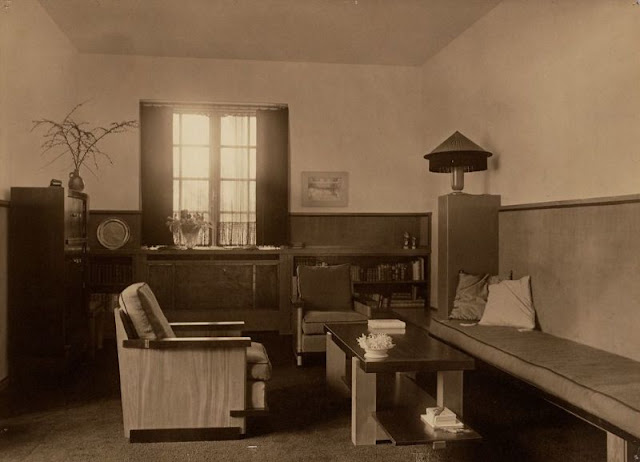 |
| Country house ‘De Luifel’ interior, Wassenaar, 1924 |
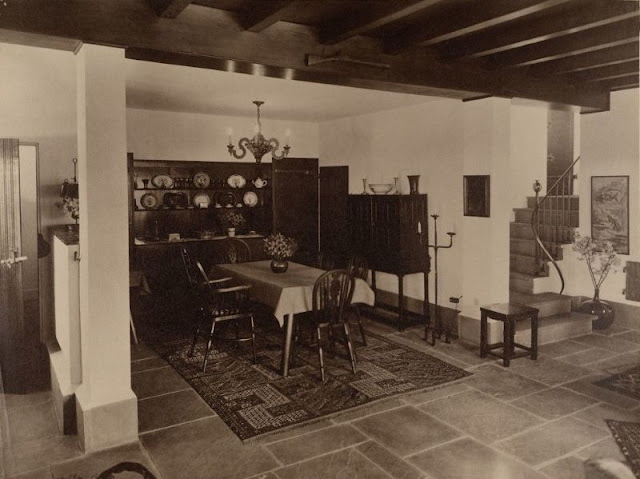 |
| Country house interior, Wassenaar, 1926 |
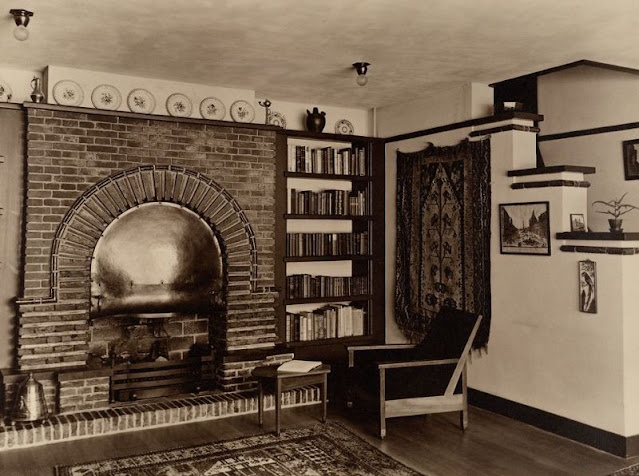 |
| Zonzij house interior, Rotterdam, 1926 |
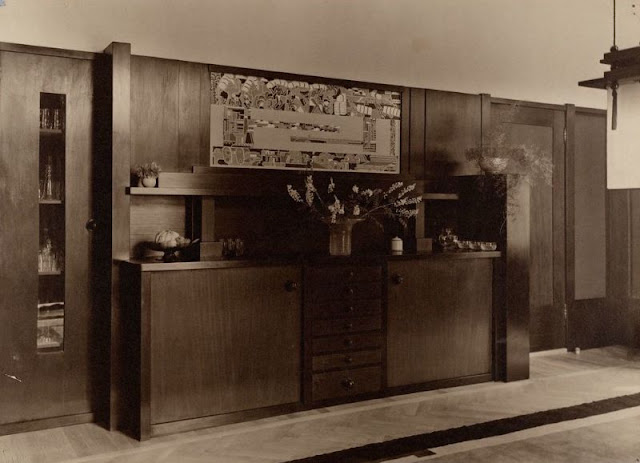 |
| Dining room wainscot, Borne, 1927 |
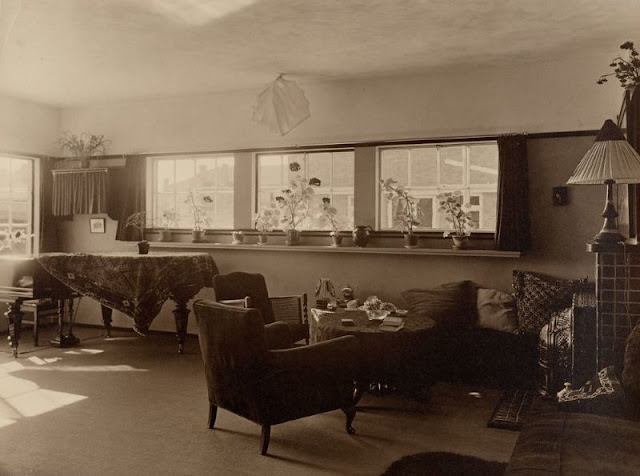 |
| Park Marlot country house interior, Den Haag, 1928 |
See more »

Leave a Reply