
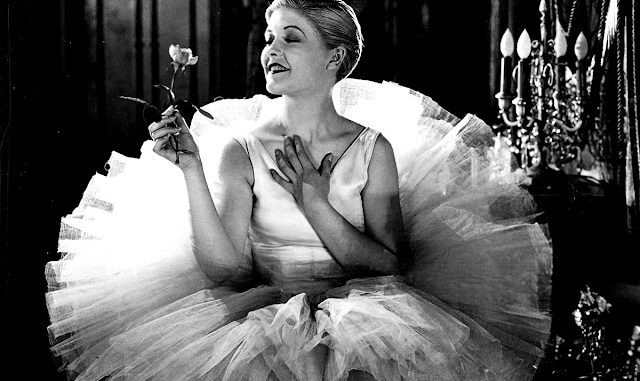
Laura La Plante (born Laura Laplante; November 1, 1904 – October 14, 1996) was an American film actress; her more notable performances were in the silent era. During the 1920s, La Plante reigned as Universal Pictures’ most popular star and highest-grossing box-office attraction, appearing in over 60 films during the decade. Known for her bright dimples, easygoing charm, and signature bleached-blonde bobbed hair, she effortlessly transitioned from early slapstick comedy and Westerns into prestigious main-event features where her name routinely received top billing above the title.
After starting out as a teenage extra to support her family, she got her first major footprint playing Nora in shorts based on the Bringing Up Father comic strip (1920) and starring in the acclaimed silent film The Old Swimmin’ Hole (1921). She initially built stamina co-starring in a half-dozen Hoot Gibson Westerns. Her refusal to be typecast paid off when she was named a WAMPAS Baby Star in 1923, prompting Universal to grant her more substantial dramatic and comedic leads. For her role in the 1924 film Butterfly, she chopped her naturally long brown hair into a fashionable short bob and dyed it blonde, a quintessential “flapper” style that defined her career look.
As the decade drew to a close, La Plante successfully weathered the initial arrival of “talkies” with early sound hybrids like The Love Trap (1929) and her first all-talking picture Hold Your Man (1929). While her voice translated beautifully to the microphone, the late-20s wave of incoming talking-picture talent began to shift the studio’s focus. She parted ways with Universal after starring in the lavish Technicolor musical King of Jazz (1930), leaving behind a legacy as one of the definitive faces of silent-era Hollywood.


Leave a Reply