

Dame Olivia Mary de Havilland (July 1, 1916 – July 26, 2020) was a British, American and French actress. She appeared in 49 feature films throughout her career, with the major works of her cinematic career spanning from 1935 to 1988.
The 1950s marked a decade of profound transformation for Havilland. Having already won two Academy Awards in the 1940s (To Each His Own and The Heiress) and successfully broken the restrictive studio contract system with her landmark 1944 legal victory, she entered the 1950s with complete artistic freedom. Instead of chasing Hollywood blockbusters, she chose to redefine her career, pivot to the theater, and uproot her entire personal life by moving to Europe.
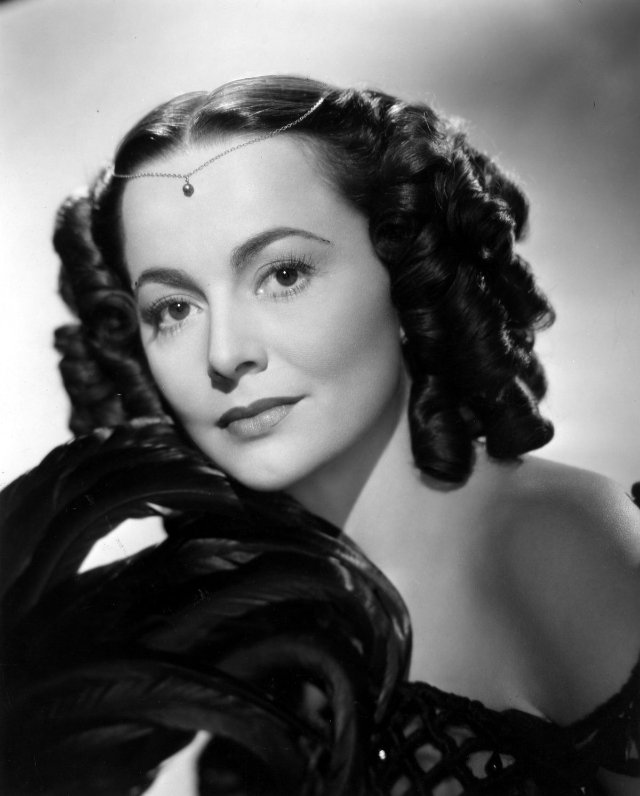
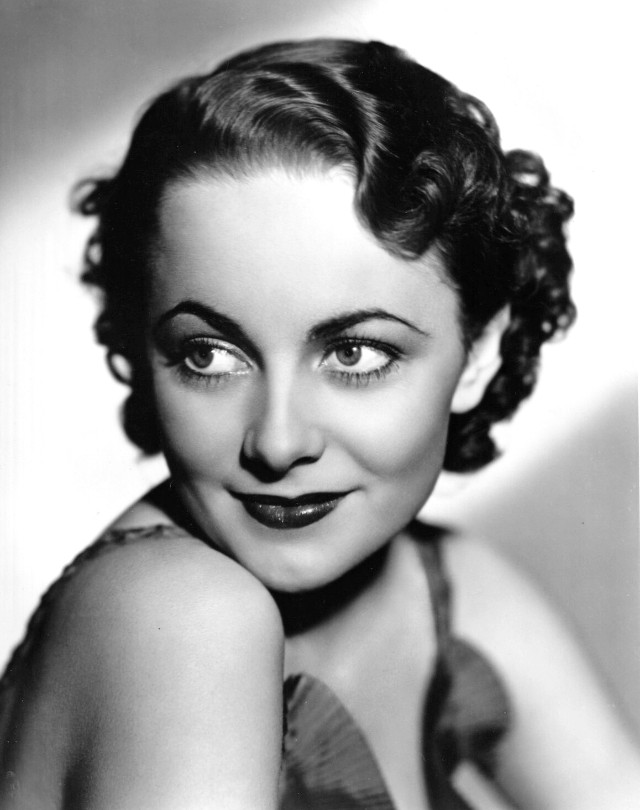

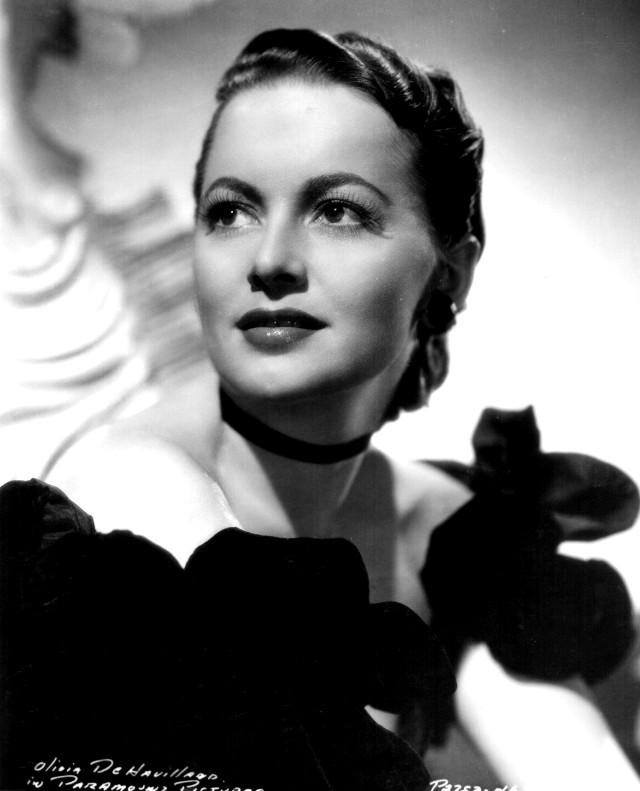
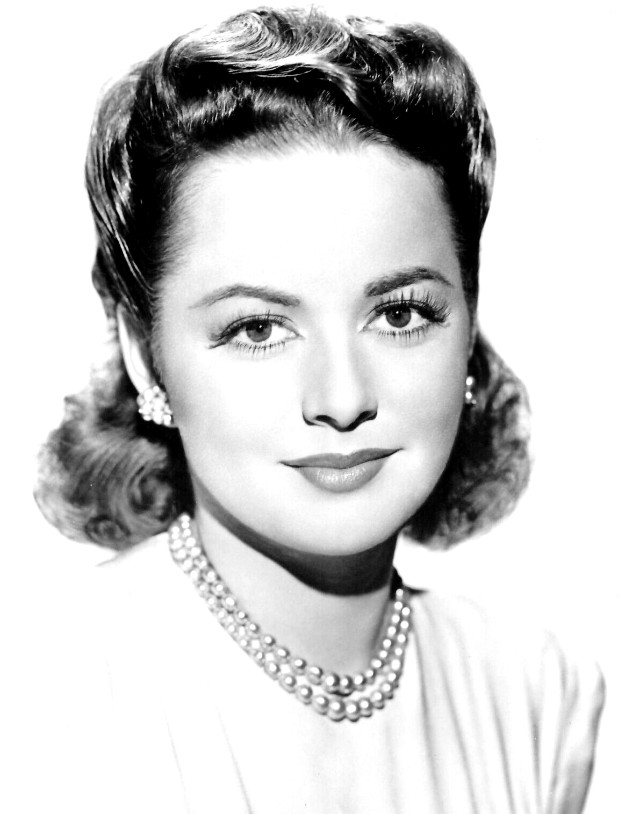
At the start of the decade, de Havilland intentionally stepped away from the camera to fulfill a long-held ambition: performing on Broadway. In 1951, she made her Broadway debut playing Juliet in Shakespeare’s Romeo and Juliet. While critics were lukewarm on the production itself, her dedication to the stage led her to follow it up with a successful national tour of Candida in 1952.
When she did return to film, she gravitated toward mature, complex, and sometimes ambiguous characters rather than traditional romantic leads. Starring opposite a young Richard Burton in his American film debut My Cousin Rachel (1952), she played the enigmatic Rachel Sangalletti. Her performance brilliantly balanced vulnerability with a subtle undercurrent of malice, leaving audiences guessing whether her character was a victim or a murderer. She played a dedicated, self-sacrificing nurse trapped in a cold marriage to an ambitious doctor (played by Robert Mitchum) in Not as a Stranger (1955), showcasing her talent for grounded, emotionally heavy drama. She starred alongside Alan Ladd, playing a tough, independent frontier woman in The Proud Rebel (1958), a rugged post-Civil War Western.
The most permanent change of de Havilland’s life occurred in 1953 when she traveled to the Cannes Film Festival. There, she met Pierre Galante, an editor for the prominent magazine Paris Match. They married in 1955, and she made the definitive decision to leave Hollywood behind and relocate to a classic three-story house in the Bois de Boulogne section of Paris. Living in France allowed her to step out of the relentless Hollywood fishbowl. She became a beloved high-society figure in Paris, hosted literary salons, and later wrote a lighthearted, bestselling memoir about her experiences adapting to French culture titled Every Frenchman Has a Courteous Heart (1962).
By the close of the 1950s, Olivia de Havilland had transitioned seamlessly from a peak Golden Age movie star into a sophisticated, independent international actress who prioritized her personal happiness and artistic autonomy over studio fame.


Leave a Reply