A match is a tool for starting a fire. Typically, matches are made of small wooden sticks or stiff paper. One end is coated with a material that can be ignited by friction generated by striking the match against a suitable surface.
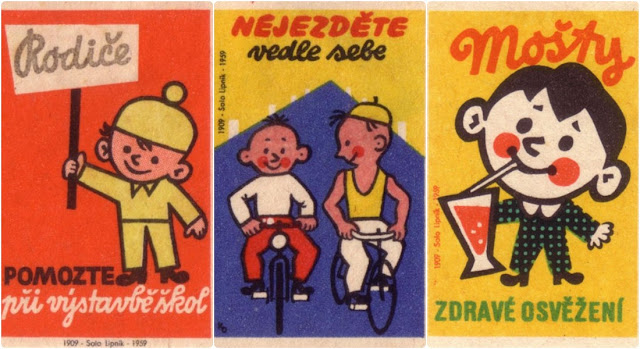
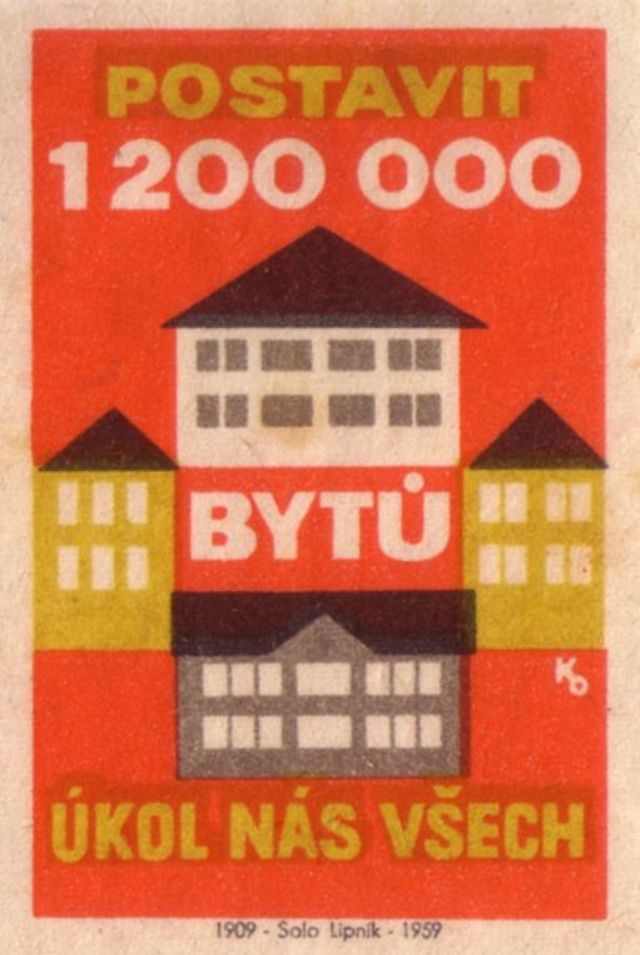
Czechoslovak matchbox labels in 1959
Wooden matches are packaged in matchboxes, and paper matches are partially cut into rows and stapled into matchbooks. The coated end of a match, known as the match “head”, consists of a bead of active ingredients and binder, often colored for easier inspection.
There are two main types of matches: safety matches, which can be struck only against a specially prepared surface, and strike-anywhere matches, for which any suitably frictional surface can be used. Because of the substance used to coat each match, this makes them non-biodegradable.
Historically, the term match referred to lengths of cord (later cambric) impregnated with chemicals, and allowed to burn continuously. These were used to light fires and fire guns and cannons. The word ‘match’ derives from Old French ‘mèche’, referring to the wick of a candle.
Here below is a vintage photo collection that shows Czechoslovak matchbox labels in 1959.




Leave a Reply