
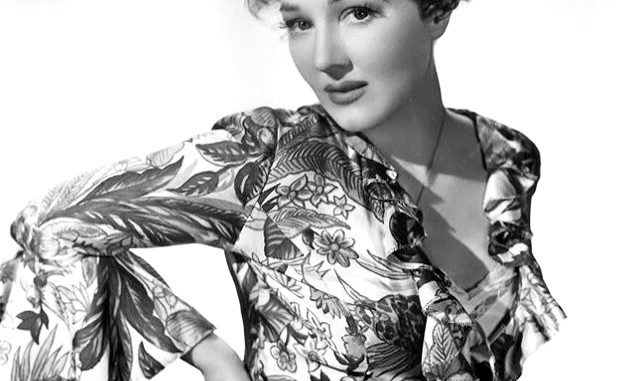
Jean Parker (born Lois May Green, August 11, 1915 – November 30, 2005) was a prominent Hollywood ingenue in the 1930s, known for her pretty, vivacious looks, wide hazel eyes, and sweet, wide-eyed appeal in both supporting and leading roles.
She was discovered at age 16 after winning a poster contest (depicting Father Time or related to the Olympics). Her photo appeared in a Los Angeles newspaper and was spotted by Ida Koverman (assistant to MGM’s Louis B. Mayer), leading to a screen test and MGM contract. Her name was changed to Jean Parker. She had aspired to be an illustrator/artist before acting.
Her feature debut was the pre-Code drama Divorce in the Family (1932). She followed with an uncredited bit in Rasputin and the Empress (1932, the only film with all three Barrymores) and minor roles in films like Gabriel Over the White House and The Secret of Madame Blanche (both 1933).
On loan-outs she landed her best-remembered early parts: Lady for a Day (Frank Capra, Columbia) as Louise, the daughter of May Robson’s Apple Annie; Little Women (George Cukor, RKO) as the gentle, tragic Beth March opposite Katharine Hepburn, Joan Bennett, and Frances Dee. These established her as a classic 1930s ingenue. She made multiple films in 1933 alone and gained a reputation for working quickly and well.
At MGM and elsewhere she took leads and supporting roles in a mix of dramas, comedies, and other genres. She made roughly 16 films for MGM between 1932–1935 (often B-picture leads) before freelancing more widely. By the late 1930s she continued in features (including some B-movies) while her image remained that of a soft, appealing ingenue. Publicists called her the “Cinderella Girl.” These photos from the period show her as a classic glamorous Hollywood beauty of the time.


Leave a Reply