
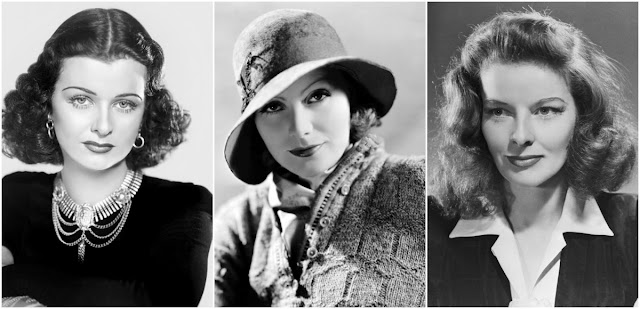
As a distraction from the stock market crash and the rise of the Great Depression, Americans began turning their attention to movies and television. The 1930s were part of the Golden Age of Hollywood, when actors were movie stars and films were genre-based masterpieces.
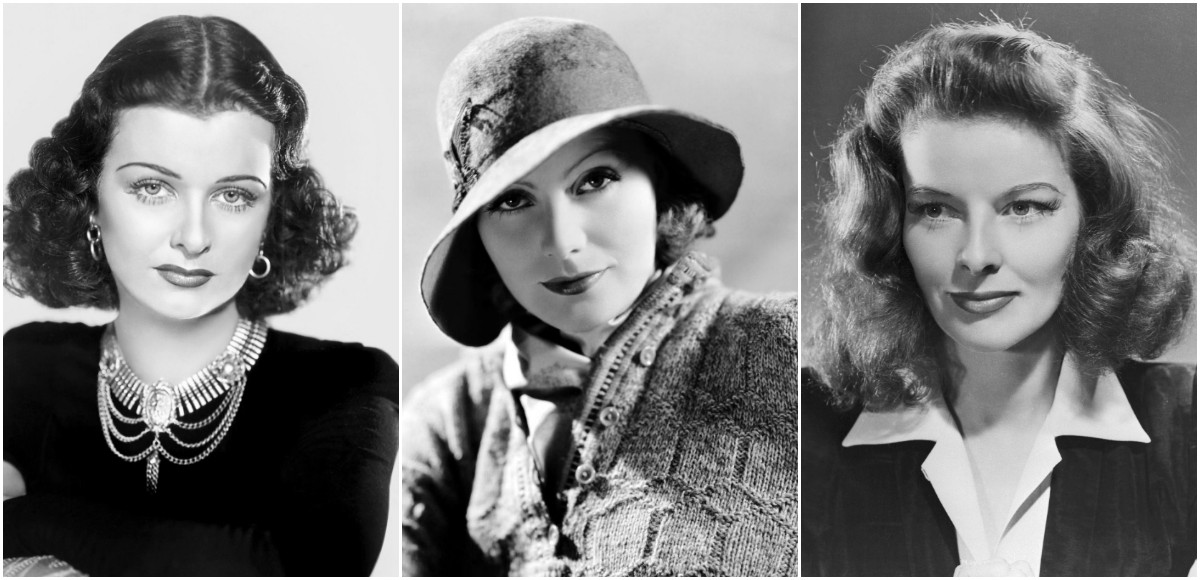
This era contains some of the best actresses of all time, many of whom are Academy Award winners, as well as classic film stars. Below is a list of 25 Hollywood’s leading ladies of the 1930s:
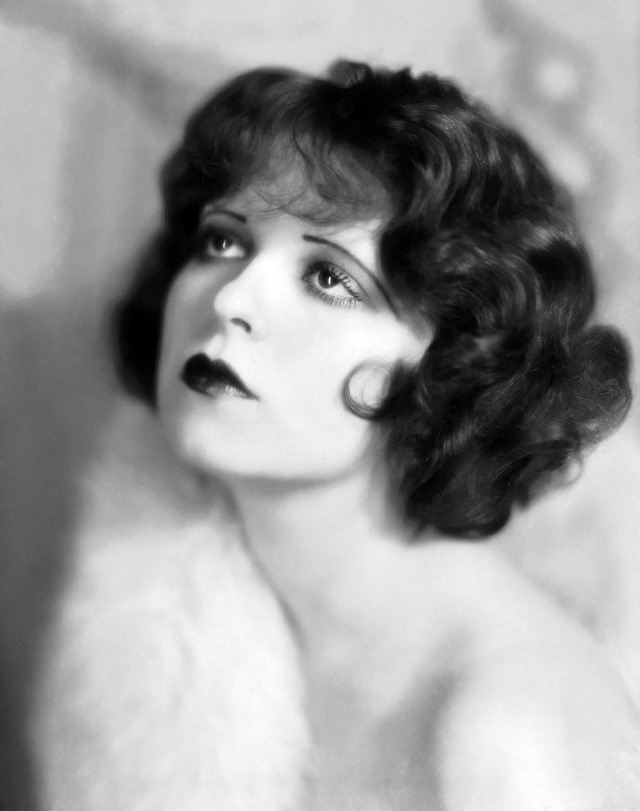
1. Clara Bow
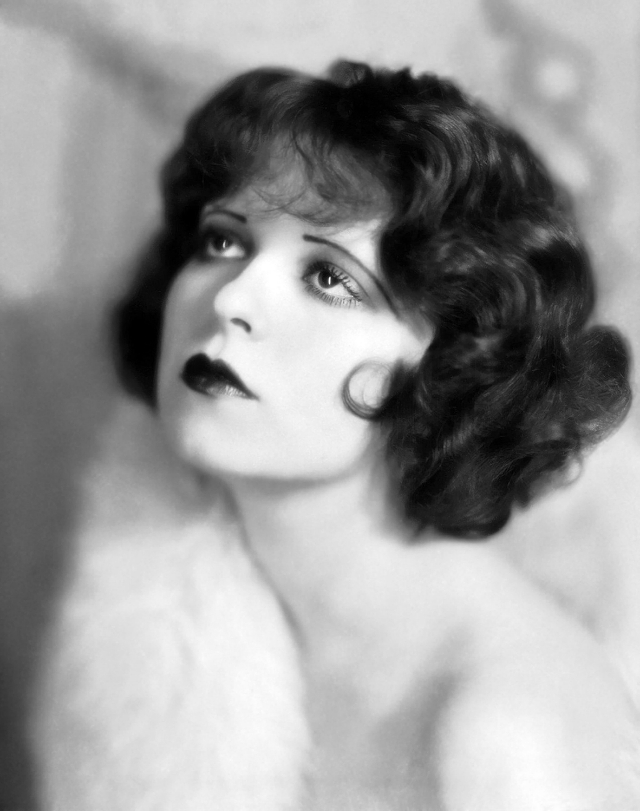
Clara Gordon Bow (July 29, 1905 – September 27, 1965) was an American actress who rose to stardom during the silent film era of the 1920s and successfully made the transition to “talkies” in 1929. Her appearance as a plucky shopgirl in the film It brought her global fame and the nickname “The It Girl.” Bow came to personify the Roaring Twenties and is described as its leading sex symbol.
Clara Bow appeared in 46 silent films and 11 talkies. She was named first box-office draw in 1928 and 1929 and second box-office draw in 1927 and 1930. Her presence in a motion picture was said to have ensured investors, by odds of almost two-to-one, a “safe return.” At the apex of her stardom, she received more than 45,000 fan letters in a single month (January 1929). Two years after marrying actor Rex Bell in 1931, Bow retired from acting and became a rancher in Nevada. Her final film, Hoop-La, was released in 1933.
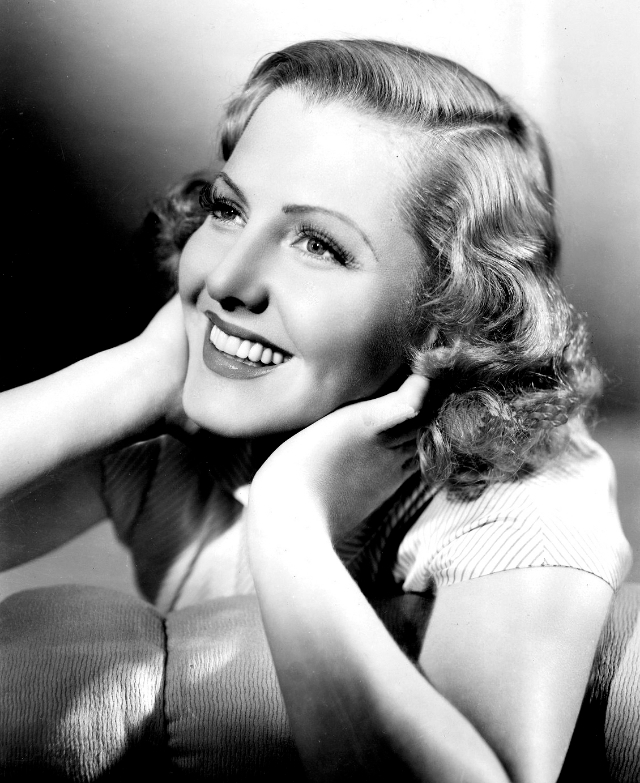
2. Jean Arthur

Jean Arthur (October 17, 1900 – June 19, 1991) was an American Broadway and film actress whose career began in silent films in the early 1920s and lasted until the early 1950s. Arthur had feature roles in three Frank Capra films: Mr. Deeds Goes to Town (1936) with Gary Cooper, You Can’t Take It With You (1938) co-starring James Stewart, and Mr. Smith Goes to Washington (1939), also starring Stewart. These three films all championed the “everyday heroine,” personified by Arthur.
James Harvey wrote in his history of the romantic comedy: “No one was more closely identified with the screwball comedy than Jean Arthur. So much was she part of it, so much was her star personality defined by it, that the screwball style itself seems almost unimaginable without her.” She has been called “the quintessential comedic leading lady.”
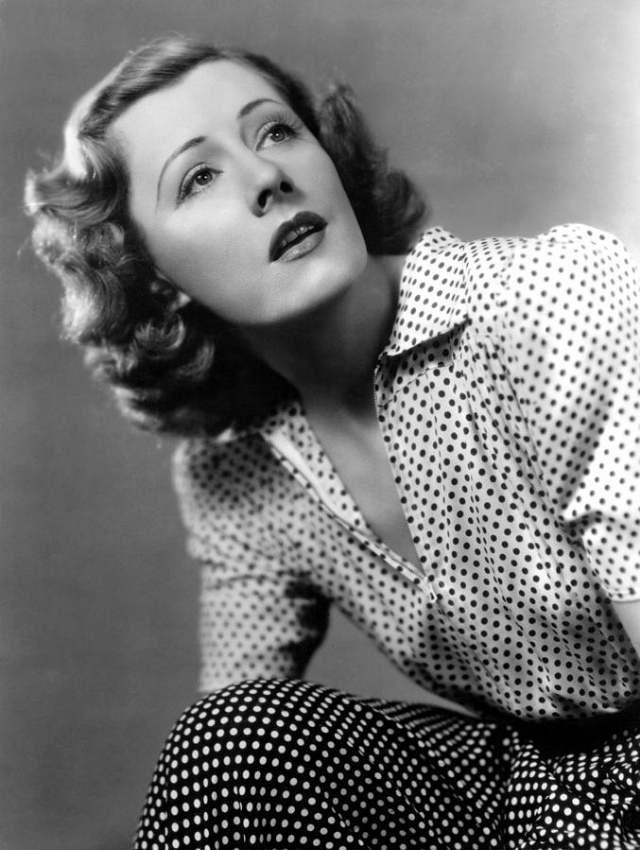
3. Irene Dunne

Irene Dunne (December 20, 1898 – September 4, 1990) was an American actress who appeared in films during the Golden Age of Hollywood. She is best known for her comedic roles, though she performed in films of other genres.
Affectionately nicknamed “The Iron Maiden,” lovely Irene Dunne hoped to have a career in opera, but her singing skills ultimately led instead to Broadway and movie stardom. On the basis of her early film credits, which were dominated by such dramas as The Age of Innocence (1934) and Magnificent Obsession (1935) and musicals like Show Boat (1936), Dunne surprised some critics and audience members with her considerable comedic flair on view in such highly regarded pictures as Theodora Goes Wild (1936) and The Awful Truth (1937). She also continued to excel in dramatic parts, with her portrayals in Penny Serenade (1941) and I Remember Mama (1948) being of particular note.
In spite of often excellent performances, Dunne never won an Academy Award and that led in later years for her to be called the finest American actress to have never received that honor. Regardless, Dunne was highly respected by her peers and her decision to retire comparatively early was viewed as a way to exit the business on a high note, while she still had some say in the roles being offered. Dunne’s talent in the areas of drama, comedy, song and dance made her one of the most multi-facetted performers of the 1930s and 1940s and the consistent quality of that work made her much beloved among fans of classic Hollywood cinema.
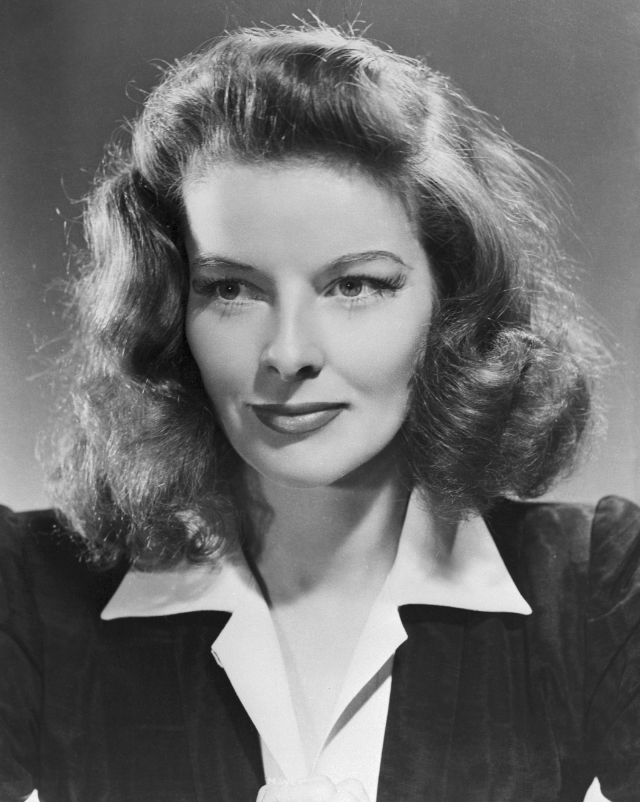
4. Katharine Hepburn

Katharine Houghton Hepburn (May 12, 1907 – June 29, 2003) was an American actress of film, stage and television. Hepburn’s career as a Hollywood leading lady spanned over 60 years. She was known for her headstrong independence, spirited personality and outspokenness, cultivating a screen persona that matched this public image, and regularly playing strong-willed, sophisticated women. Her work was in a range of genres, from screwball comedy to literary drama, and earned her various accolades, including four Academy Awards for Best Actress—a record for any performer. In 1999, Hepburn was named the greatest female star of classic Hollywood cinema by the American Film Institute.
Raised in Connecticut by wealthy, progressive parents, Hepburn began to act while at Bryn Mawr College. Favorable reviews of her work on Broadway brought her to the attention of Hollywood. Her early years in film brought her international fame, including an Academy Award for Best Actress for her third film, Morning Glory (1933), but this was followed by a series of commercial failures culminating in the critically lauded box office failure Bringing Up Baby (1938). Hepburn masterminded her own comeback, buying out her contract with RKO Radio Pictures and acquiring the film rights to The Philadelphia Story, which she sold on the condition that she be the star. That comedy film was a box office success and landed her a third Academy Award nomination. In the 1940s, she was contracted to Metro-Goldwyn-Mayer, where her career focused on an alliance with Spencer Tracy. The screen-partnership spanned 26 years, and produced nine films.
Hepburn shunned the Hollywood publicity machine and refused to conform to society’s expectations of women, famously wearing trousers before they were fashionable for women. She was briefly married as a young woman but thereafter lived independently. With her unconventional lifestyle and the independent characters she brought to the screen, Hepburn epitomized the “modern woman” in the 20th-century United States, and is remembered as an important cultural figure.
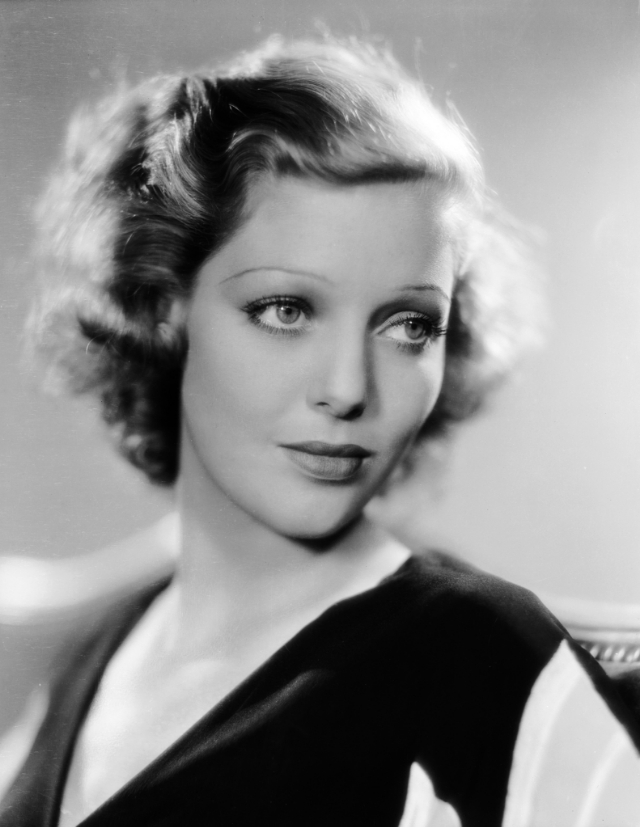
5. Loretta Young

Few actors have enjoyed the professional longevity of the stunning Loretta Young (January 6, 1913 – August 12, 2000) and even fewer in three media—motion pictures, radio theatre, and television. Her remarkable career, begun as a child extra during the Silent Era of motion pictures, extended through the Golden Age of Hollywood.
Young attained star status on film as well as on the radio, even though she had no theater or dramatic school instruction. Young ended her film career to become a pioneer of the Golden Age of Television. She was the first actor to win both an Academy Award and an Emmy. Except for absences for serious illness and the births of her children, she was continuously before the cameras from age 12 through the early 1960s, making more than 250 film performances and appearing on more than 300 television programs.
Leave a Reply