
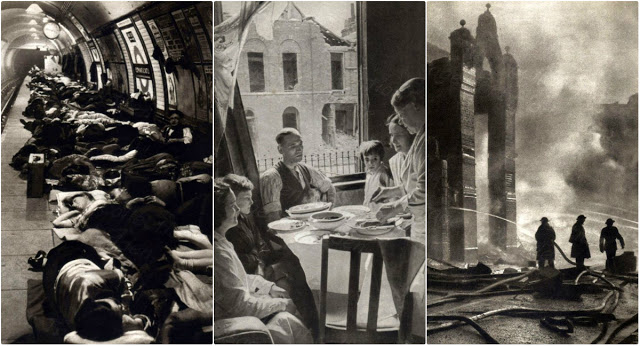
When Britain went to war on 3 September 1939 there was none of the ‘flag-waving patriotism’ of August 1914. The British people were now resigned to the fact that Hitler had to be stopped by force.
The first eight months of the war were a time of official unwarranted optimism and bureaucratic muddle. Many early wartime measures such as the blackout and evacuation proved highly unpopular. But this ‘Phoney War’ was soon followed by the ‘bracing defeat’ of Dunkirk and the fall of France in June 1940.
For the next year, under Winston Churchill’s inspiring and resolute leadership, Britain with its Empire stood alone against Hitler, until they were joined by two powerful allies, the Soviet Union and the United States.
 |
| World War II at home in Britain |
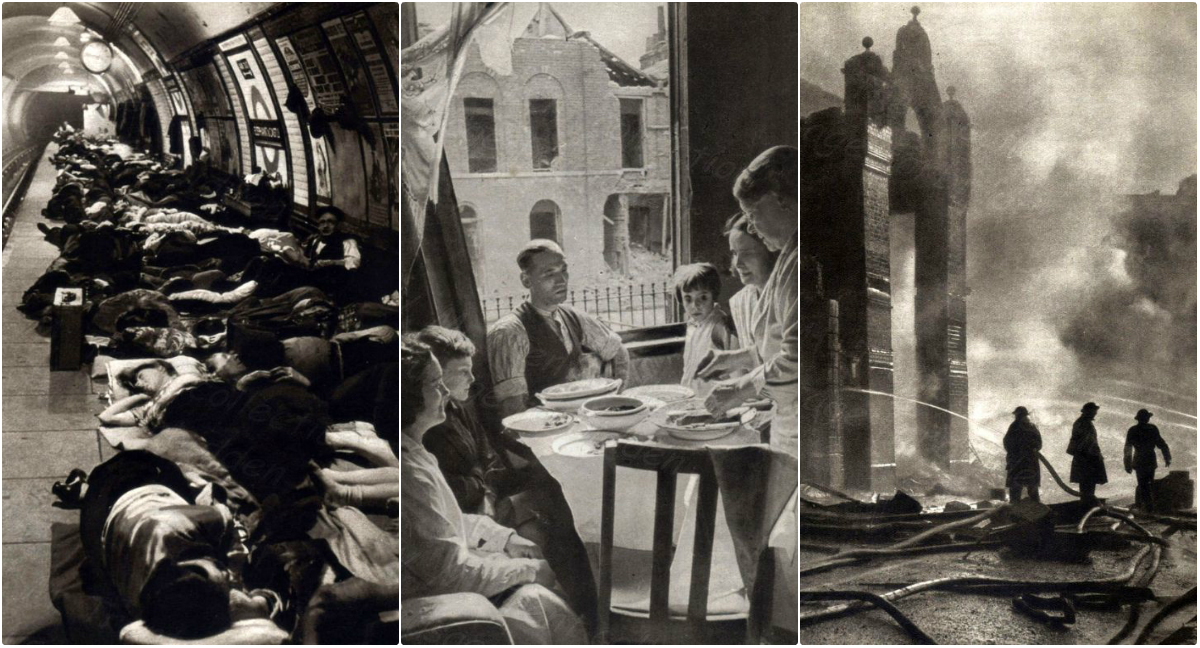
But for the next five years the British had to endure the bombing of their towns and cities in the Blitz, as well as attacks from flying bombs and rockets. In all 60,595 civilians were killed and 86,182 seriously injured. Rationing of food began in January 1940 and clothes in June 1941. By 1943, virtually every household item was either in short supply and had to be queued for, or was unobtainable.
The British were the most totally mobilised of all the major belligerents and there was a great and genuine community of spirit in wartime Britain which often transcended class and other barriers. But there was also an almost universal feeling, exemplified by the popularity of the 1942 Beveridge Report, that after victory the country could not go back to pre-war social conditions.
VE Day found Britain exhausted, drab and in poor shape, but justly proud of its unique role in gaining the Allied victory.
These historical photos from painting in light that show the way the British fought against this war, and stories behind each photo.
 |
| 1940 – Coventry, the city centre |
 |
| 1940 – In the morning, work as usual. After a big raid, the way to the office is knee-deep in rubble. Londoners unemotionally pick their way through it |
 |
| 1940 – Portsmouth. 65,000 houses were damaged out of 70,000 in the city but services were restored and life went on – a mobile laundry |
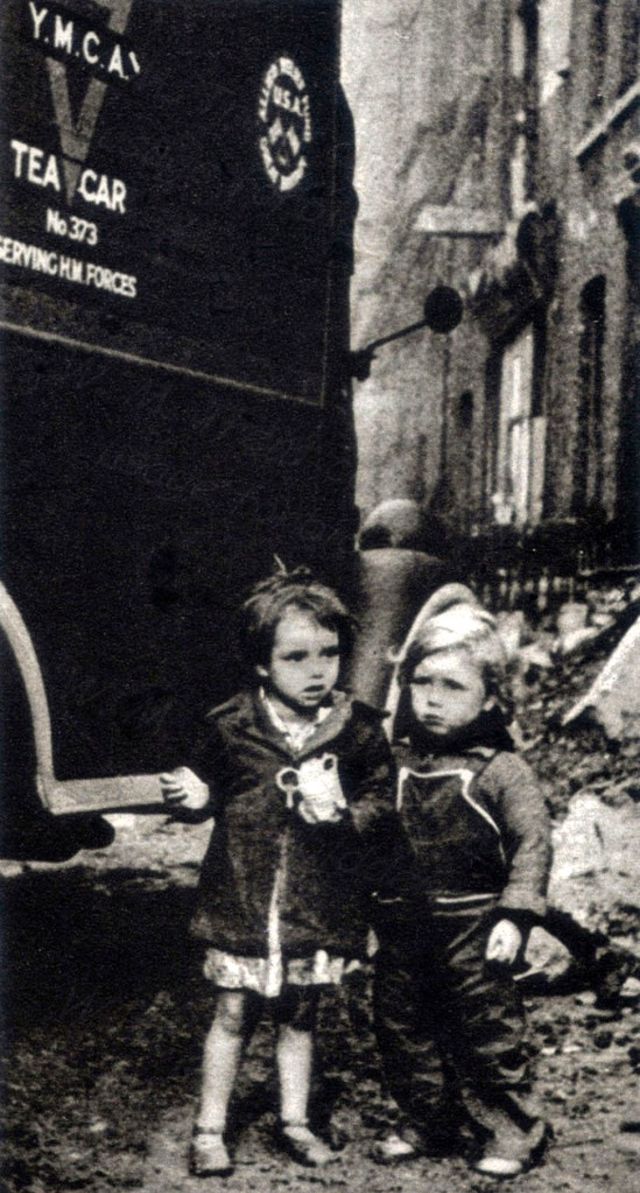 |
| 1940 – ‘Tea, and telling about it’. From the youngest to the oldest. YMCA provided hot drinks not only for civil defence etc but for the civilians – some ‘tea cars’ were ‘sponsored’ by USA |
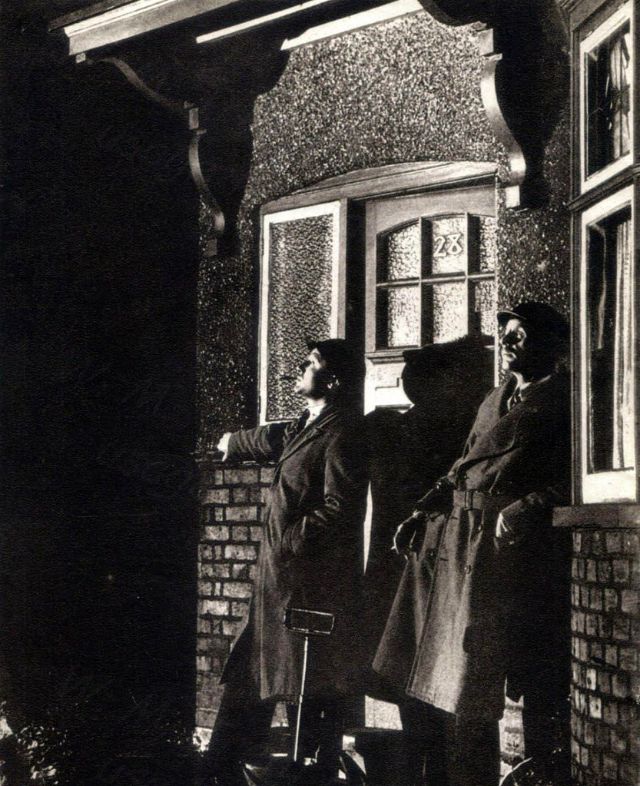 |
| 1940 – Watching and waiting |
Leave a Reply