
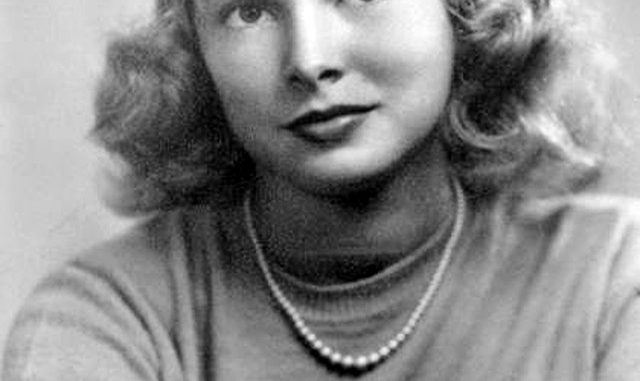
Before she became the ultimate Hitchcock scream queen in Psycho (1960), Janet Leigh (July 6, 1927 – October 3, 2004) had one of the most legendary, fairytale “discovered” stories in early Hollywood history. In the late 1940s, she went from a college student who had never acted to one of Metro-Goldwyn-Mayer’s (MGM) most promising young starlets, initially cast as the wholesome, radiant “girl next door.”
In the winter of 1945–1946, Janet Leigh (then Jeanette Helen Morrison) was a music and psychology student at the College of the Pacific. Her parents worked at a ski resort lodge in Sugar Bowl, California. Retired MGM mega-star Norma Shearer happened to be vacationing at the lodge and noticed a photograph of Jeanette on the front desk. Struck by her screen-ready beauty, Shearer took the photograph back to Hollywood and showed it to MGM talent executives. By 1946, without a single formal acting credit to her name, the 19-year-old was signed to a contract at the biggest studio in the world.
MGM immediately put her through rigorous acting, voice, and dance lessons. The studio rebranded her as Janet Leigh and utilized her natural warmth, expressive eyes, and classic mid-century elegance. MGM took a massive gamble by casting a complete unknown as the female lead opposite box-office star Van Johnson in The Romance of Rosy Ridge (1947). She played a sweet, post-Civil War farm girl, winning over both critics and audiences with her earnest performance.
Leigh got an early taste of the film noir genre in Act of Violence (1948), playing the anxious, protective wife of a haunted WWII veteran (Van Heflin), proving she could handle intense dramatic weight beyond simple romantic roles. She closed out the decade by playing Meg March in MGM’s lavish Little Women (1949), technicolor adaptation of the classic novel, starring alongside Elizabeth Taylor, June Allyson, and Margaret O’Brien. She shared the screen with Hollywood royalty Errol Flynn and Greer Garson in That Forsyte Woman (1949), cementing her place as a versatile leading lady who could hold her own in period dramas.
By the time 1949 rolled around, Leigh was no longer just a lucky discovery; she was a highly sought-after star, setting the stage for the complex psychological roles and noir thrillers that would define her career in the 1950s and 1960s.


Leave a Reply