Josep Renau (1907–1982) was a visionary Spanish artist, theorist, and political activist who revolutionized the use of graphic design as a tool for social change.
As a master of photomontage, Renau drew heavy influence from the Berlin Dadaists, using cut-out imagery to create sharp, satirical critiques of capitalism, fascism, and war. During the Spanish Civil War, he served as the Director General of Fine Arts for the Republic, famously commissioning Pablo Picasso to paint Guernica for the 1937 Paris World’s Fair and orchestrating the daring rescue of the Prado Museum’s masterpieces from nationalist bombings. His most iconic personal project, the series The American Way of Life, produced during his exile in Mexico, remains a powerful indictment of Cold War consumerism.
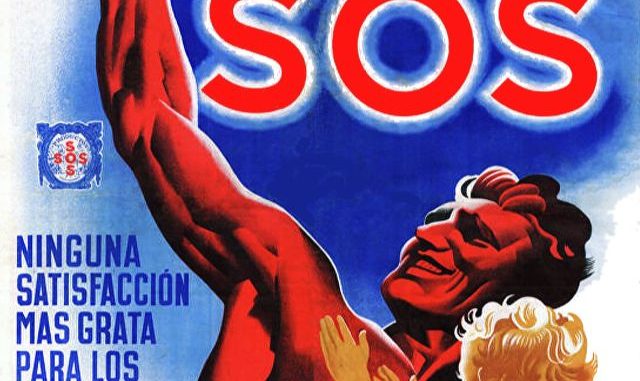
Renau’s work is characterized by its vibrant colors, bold structural layouts, and an unwavering belief that art should not merely reflect the world, but actively work to transform it.



Leave a Reply